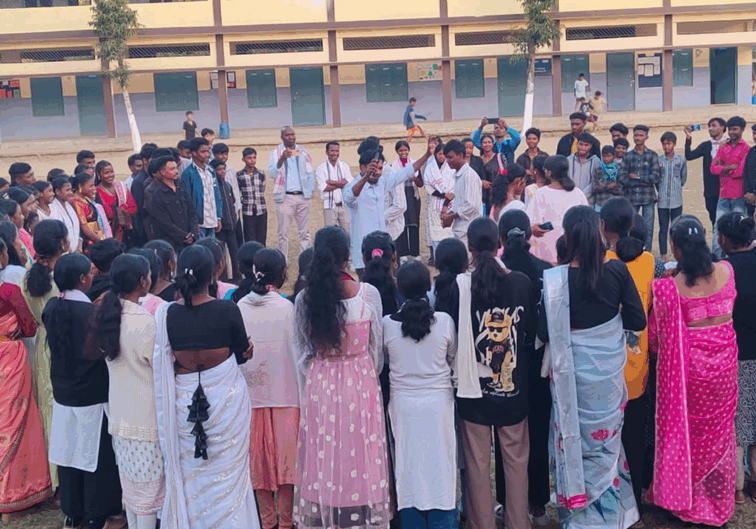
In October this year (2025), Misean Cara’s Learning & Development Manager, Seamus Collins, travelled to Brazil to visit missionary development projects that the organisation funds and supports. While there, he spent a lot of time with the Brazilian project teams who have now taken over from the Irish missionaries who spent many years in Brazil, building up the local capacity to serve the needs of poor and marginalised communities around the country.On his return, Seamus prepared a reflection on his trip, noting the impact of the projects on individuals and communities, but also observing how the decades of commitment of Irish missionaries is transforming into a continued movement based in the legacy and tradition of Irish missionary work, even as fewer and fewer missionaries arrive from Ireland.
On his return, Seamus prepared a reflection on his trip, noting the impact of the projects on individuals and communities, but also observing how the decades of commitment of Irish missionaries is transforming into a continued movement based in the legacy and tradition of Irish missionary work, even as fewer and fewer missionaries arrive from Ireland.
In this blog, Seamus shares his impressions of a changing and evolving practice of missionary work in Brazil, one that is building on the tradition of Irish missionary work but that is now being led by committed and skilled local people.

Living Legacy and Inspiration in Brazil
By Seamus Collins, Misean Cara Learning & Development Manager
With an economy worth over two trillion US Dollars, there is no denying Brazil is a rich country. But over 20% of the population – approximately 44 million people – lives in poverty. These are the people on the margins, living in the impoverished hillside communities on the periphery of cities like Salvador, Rio de Janeiro and São Paulo, or in the semi-arid areas of the north-east, the poorest region of the country. It’s in these poor communities that the enduring, living legacy of Irish missionaries can be seen, in work that is as relevant and urgent today as it has ever been.
When I was in Brazil, I saw that living legacy of the work of three Irish sisters, Sr. Bride Counihan of the Little Sisters of the Assumption, Sr. Kate Nolan of the Religious of the Sacred Heart of Mary and Sr. Margaret Hosty of the Sisters of Saint Louis. Over the past thirty years and more, these three remarkable women have worked tirelessly to meet the needs of vulnerable people in some of the country’s most disadvantaged areas.
Religious of the Sacred Heart of Mary – Literacy project for young people, adults and the elderly
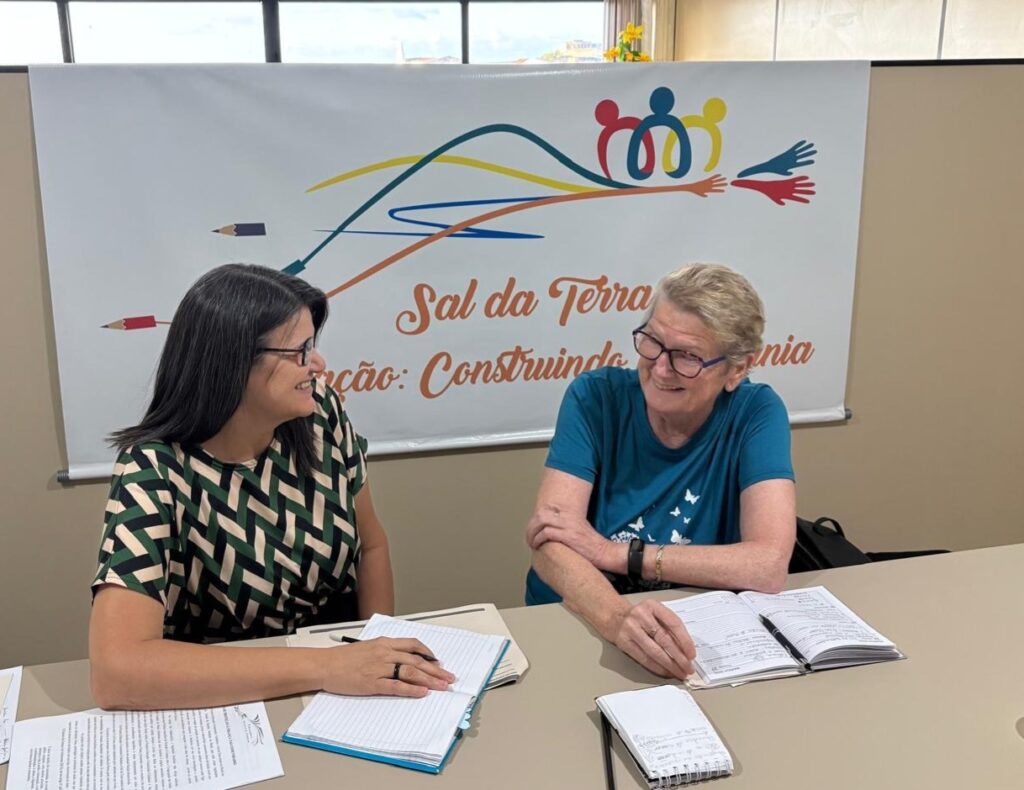
In the city of João Pessoa in northeast Brazil, I met a man who had been unable to read. For the sake of anonymity, let’s call him Ricardo. Without an education and dependent on menial day-to-day jobs to survive, Ricardo found himself at a bus stop one day, needing to get to a distant location so that he could secure a day’s work. Seeing a bus approaching, he asked the person beside him if the sign on the bus indicated his destination. That man, deciding to play a cruel trick on him, told him it did and sent him in the complete wrong direction, denying Ricardo a day’s wages. Today, Ricardo can read, thanks to a literacy project set up by Sr. Kate Nolan in 1989, a project that has changed the lives of 20,000 people over the years. Sr. Kate no longer lives in Brazil, but has turned that project, and others, over to the hands of competent and committed Brazilians, who are carrying on the work that she started.
Little Sisters of the Assumption – Umburanas community education to build stable futures
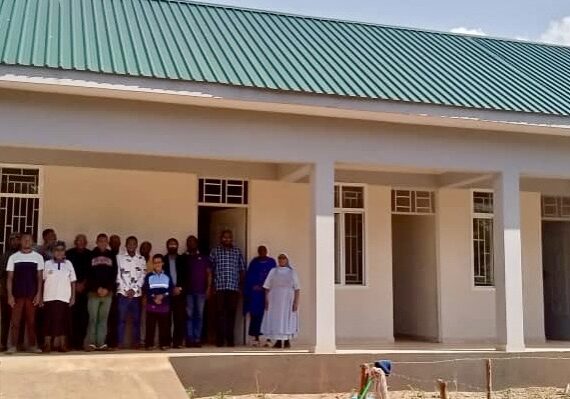
The same is true of Sr. Bride Counihan, who is now at home in Ireland but who lived and worked in Brazil for nearly 20 years. In the city of Caruaru in the state of Pernambuco, and in the town of Umburanas in the scorching semi-desert of Bahia, there are centres where underprivileged pre-school children, teenagers and their parents learn the social, practical and academic skills needed to make their way in the world. The two locations, deeply rooted in their local communities and acutely aware of the challenges people face every day, provide safe and welcoming spaces where young people are nurtured and helped to grow while their parents learn new ways of earning an income.
Driven by her faith and her commitment to the poor and vulnerable, Sr. Bride worked in Caruaru and Umburanas setting up initiatives to respond to the needs of those communities, eventually passing the reins to local staff who continue the work with the same passion and dedication.
Sisters of St. Louis – Support and Dignity for those living with HIV/AIDS
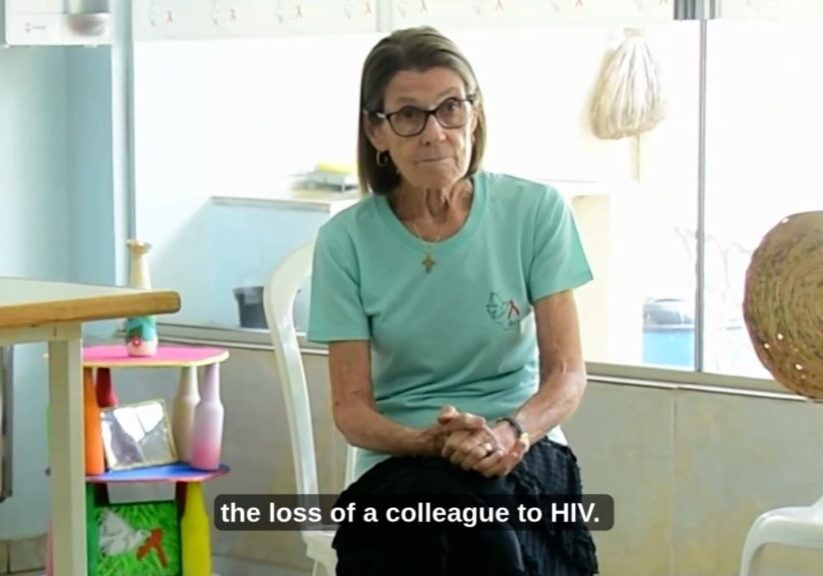
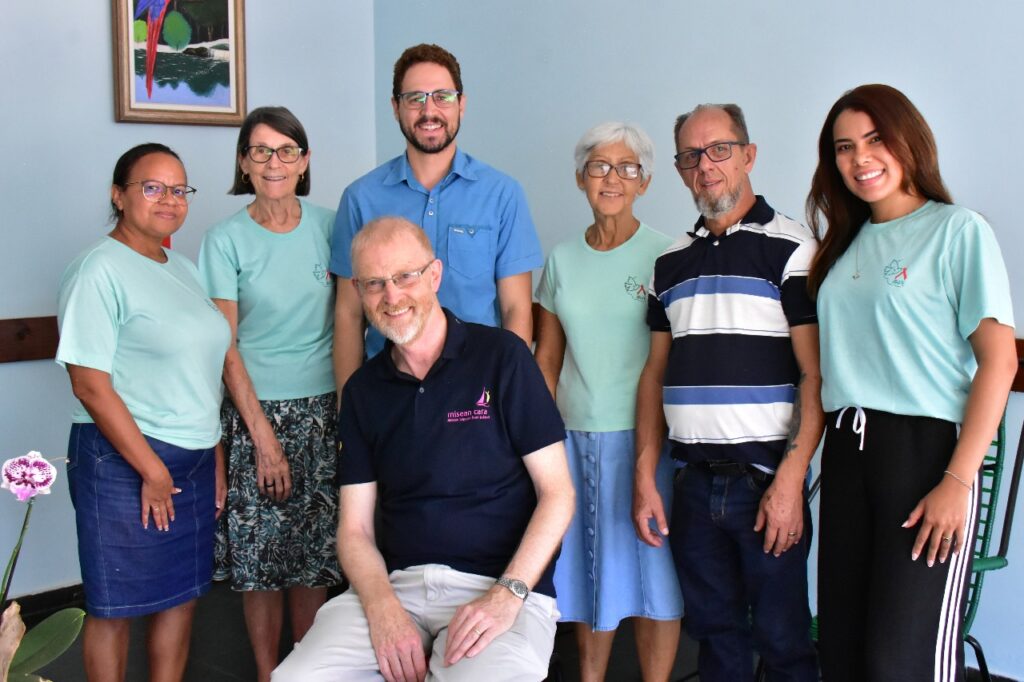
In the city of Goiânia in 1995, Sr. Margaret Hosty set up a group with the Portuguese name AAVE (AIDS, Apoio, Vida, Esperança), which translates into AIDS, Assistance, Life, Hope. Celebrating thirty years in existence in October this year, the group reaches out to people living with HIV in the city of 1.5 million inhabitants. Often spurned by their families because of their HIV+ status, and rejected by the wider society, people find acceptance and support in AAVE. What I saw when I visited Grupo AAVE was one simple yet tremendously powerful act of love: the affirmation of the dignity of each individual, without judgement, without prejudice, without any expectation of reward. As with the other places I visited, Grupo AAVE is now in the hands of capable local people who will continue to work with this extremely vulnerable community.
Looking to the Future
There is a word used among those who work in development in Brazil, compromiso, which means “commitment”. It is often signified in the wearing of a simple, black, wooden ring, something I’ve often seen on the hands of missionaries in the country. Those who wear that ring are demonstrating a commitment to social justice, to the rights of the poor and to a better world. That compromiso is still flourishing in the hearts of the people who have taken over the work.
The overwhelming impression of my visits to the various locations in Brazil in October this year was one of joy. Yes, there was poverty; yes, there were challenges, but the joy in the faces of children and adults, in the faces of the hard-working staff, is what I will remember. The Irish missionaries may be leaving one by one, but the work goes on. That daily act of selfless love, of acknowledging the uniqueness and dignity of every single person made in God’s image, will go on. And, in the face of all the adversity, there will still be joy.