By Jenny Ackermann, Misean Cara Monitoring & Results Measurement Officer
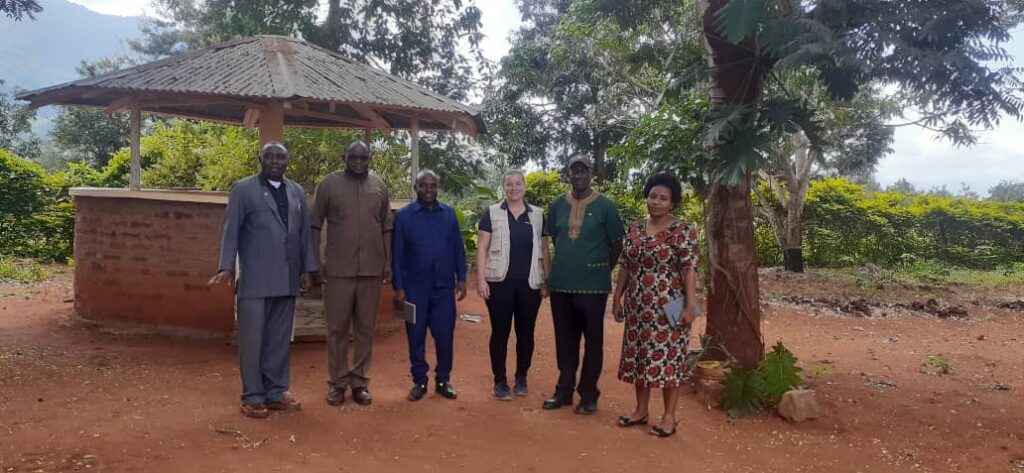
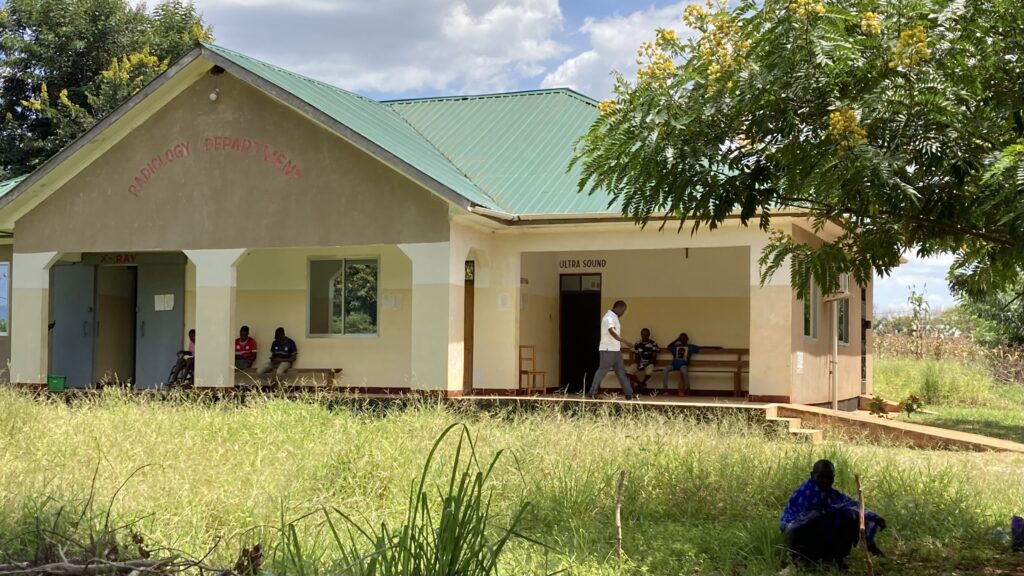
In July of this year (2025), I received an email from Kwalukonge – a small village in rural Tanzania. The email was sent by the Rosminian Fathers, who run a health centre in the community, which I had the privilege of visiting exactly two years prior. Back then, the team toured me through their facilities, ranging from a surgical ward to modern x-ray and ultrasound facilities.
However, the team also showed me their maternal and child health wing used for out-patient services – a building barely holding together but that was still the best chance for women in the catchment area to safely give birth. It was the original building of the centre – built with those materials that were available at the time.
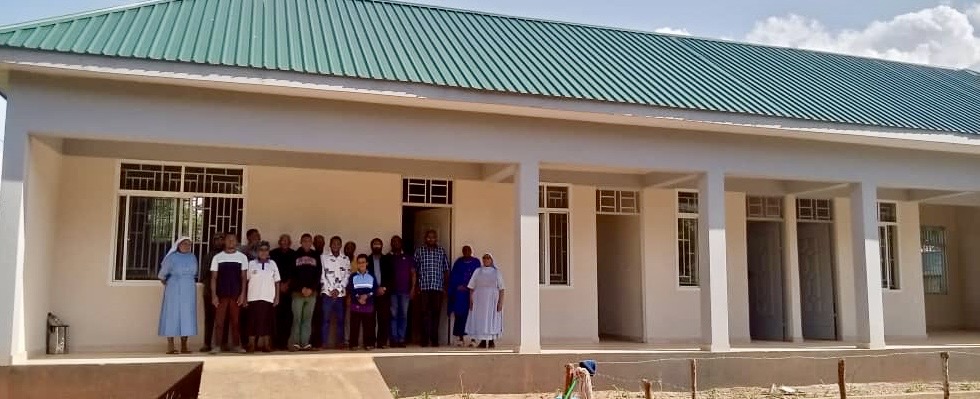
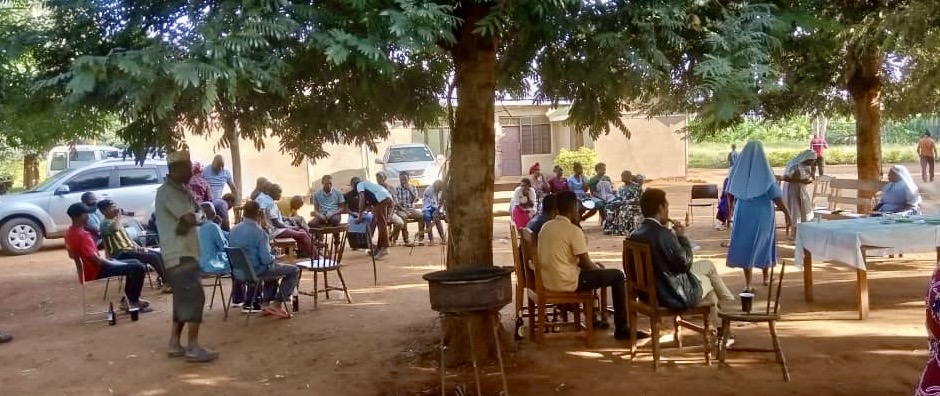
The email I now had in front of me contained photos of a recently completed new reproductive and child health block at the centre – replacing the old building thanks to the financial support of Misean Cara. While the building was financed through donations from afar, it was the local community that came together to make this happen. Community members had gathered the stones which were used for the foundations and the sand used in the construction of this new building; they had also donated their time, and played an active role in decision-making through the Health Centre committee. The building contractor, inspired by the Centre’s mission, even donated his labour for building footpaths around the new unit.
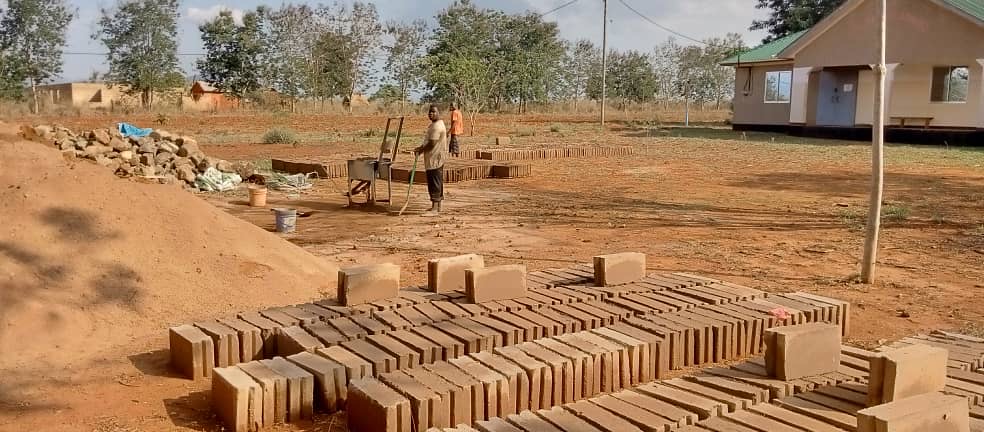

With Misean Cara funding and incredible community support, the project team was able to replace the reproductive and child health block to meet national standards and provide quality maternal care. And the result is fantastic: A brand new and welcoming place where women can receive the services and support they need after childbirth and to give their children the best possible start in life. These service include ante-natal care, family planning, growth monitoring and vaccinations for the their new born children up until age 5. These services are all free, along with the delivery and post-natal services.
To explain the impact this new building and the services have on the health of new mothers and the well-being of a new generation, let me take you on a journey:
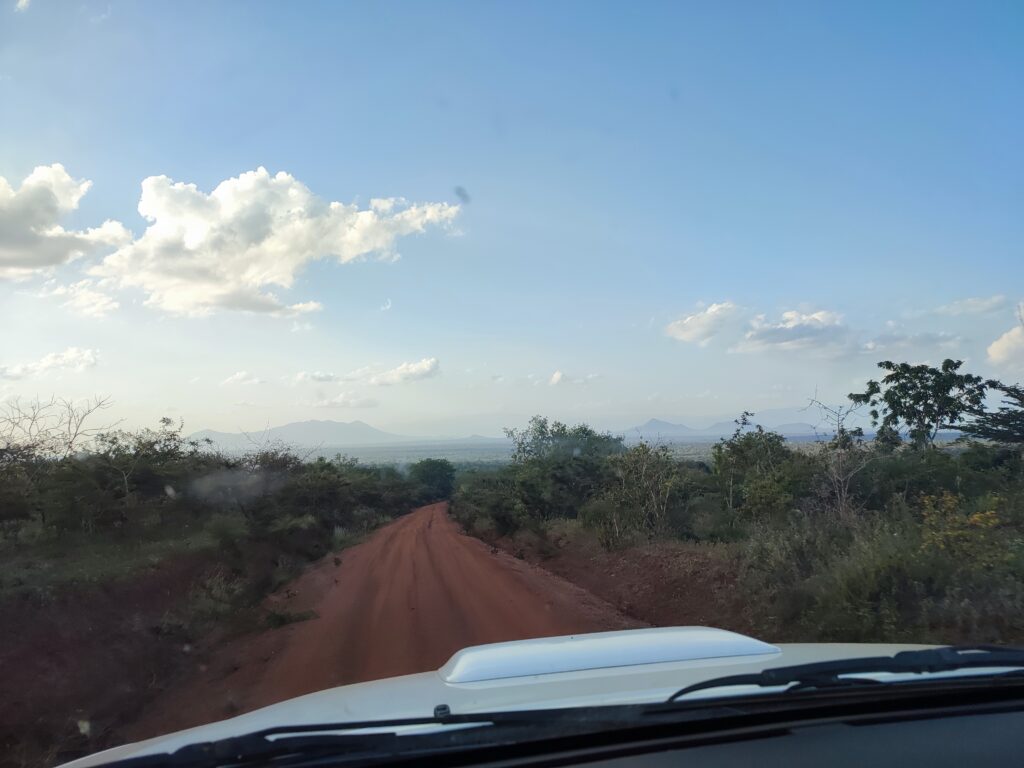
In July 2023, I set off to visit the Rosminian Health Centre in Kwalukonge, Tanzania. I had been warned of the long and tiring journey ahead of time but had still underestimated the trip. After many hours in the car, we arrived in a small village, where the paved road came to an end and we continued our journey on a dirt road through shrubs and bushes. Nothing unusual if you are travelling in rural Tanzania, but certainly a sign of being close to my destination – or so I thought.
What followed was another hour on bumpy dirt roads, every now and then passing clay huts of the local semi-nomadic Maasai people. The biggest challenge in the area, I was told, was the ongoing drought, which means women often spend eight hours a day trying to find water; and elephants who damage houses in the search for food and water.
After a long day of travel, we arrived at the Rosminian Health Centre – a large plot of land donated to the Rosminian Fathers by the community in 2008. The centre is the only health facility in the area and caters for a population of around 30,000 people.
Starting as a small dispensary, the centre has grown over the years, offering 24/7 health care today, including maternal and child health services, surgery and in-patient wards, and diagnosis and treatment of various diseases. What may be most important, however, are the community outreach programmes run by the centre. In an area where no health services had been provided before, the local community has historically put their trust in traditional healers, rather than Western medicine. Often only accessing health services when it is already too late.
During my visit, I met a local Maasai leader who invited me to his home and introduced me to his family. We spoke about the impact the health centre had on his life and the life of his community. He told me that in the past, his wives gave birth at home, which sometimes led to complications. Today, he advocates for all pregnant women to attend maternal health services in the centre – from checks throughout the pregnancy to giving birth in the centre wherever possible, which greatly reduced the occurrence of complications and improved the health and wellbeing of mother and child alike.
I would like to express my heartfelt thanks to the Rosminian Health Centre for their hospitality and unwavering support to the local community. I also extend my best wishes to all members of the local community for a healthy, thriving, and hopeful future.
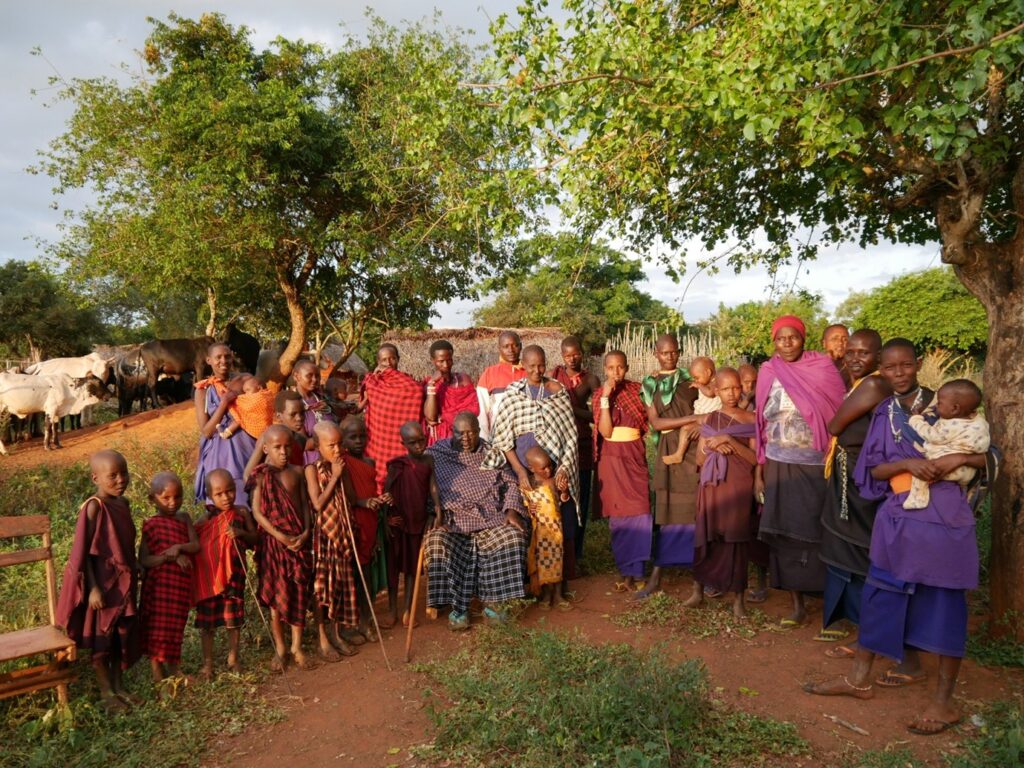
Photo: Maasai leader and his family who are patients of the clinic (2023)