This year’s UN theme for International Women’s Day (8th March), is a very fitting one for 2021–“Women in leadership: Achieving an equal future in a COVID-19 world.” It has been a year of unimaginable challenges and difficulties for everyone in the face of the global pandemic, but today we take time out to celebrate the tremendous contributions of women around the world who have been working amidst it all to ensure a more equal future and recovery from the COVID-19 pandemic.
During this first year of the pandemic women have often been at the forefront in the battle to combat the virus. Read Misean Cara Health Project Officer Niamh Caffrey’s look at how the Medical Missionaries of Mary (MMM) have leveraged their long-standing history in the communities they serve, to respond with swift and comprehensive solutions to confront the virus.
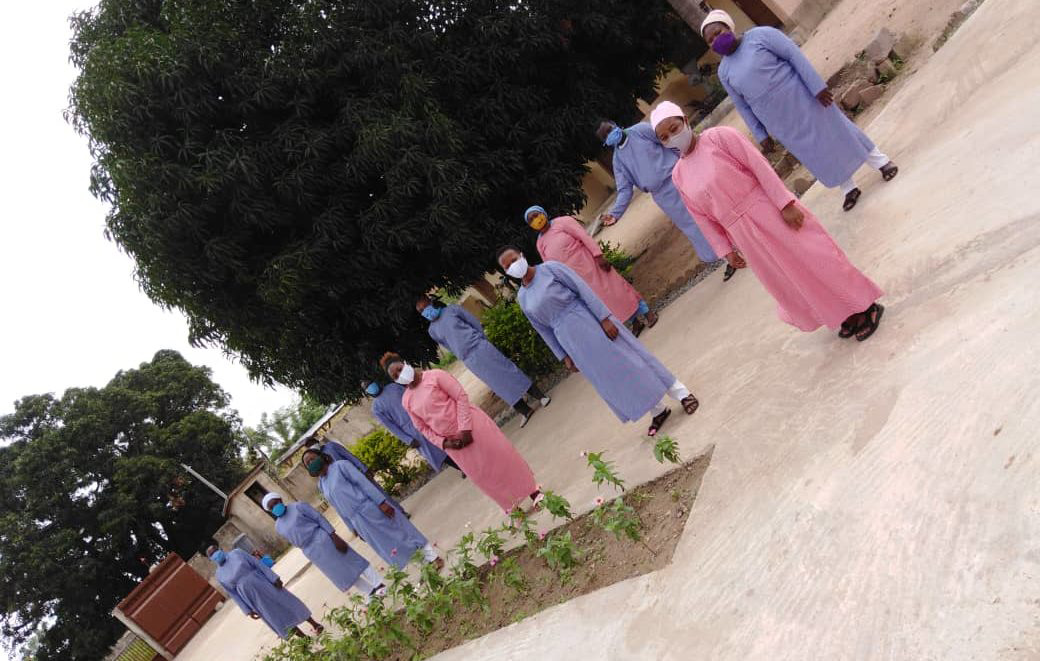
Misean Cara member, the Medical Missionaries of Mary (MMM), founded in Nigeria in 1937, are an international missionary congregation of Catholic religious women. The Sisters have worked to deliver healthcare interventions to people in marginalised communities in Ethiopia, Nigeria, Tanzania, Malawi and Kenya. Their long-standing presence across Africa has resulted in a strong local rapport, as they have spent decades living and working side-by-side with the people that they serve. Even in times of political turmoil, conflict and emergencies, the Sisters have remained, emanating solidarity with the local community but also bridging Government gaps in terms of essential health and medical care, in this way not only rescuing but prolonging lives.
The MMM’s bravery and dedication is palpable when you enter an area in which they are working, as they fight for the right of equal access to healthcare for whole communities and provide essential services in a patient-centred and holistic approach. In 2014, the MMMs responded to the outbreak of Ebola Fever in West Africa, engaging in sensitisation and awareness in an effort to reduce fear and empower individuals with knowledge. Doing so helped prevent further spread of the disease, and also helped build their knowledge and the ability to identify suspected cases.
In 2019, the MMM Mile Four Hospital in Nigeria was at the forefront of the Lassa fever emergency. The MMMs have also been at the frontline of other epidemics across Africa including cholera outbreaks, measles and HIV/AIDS.
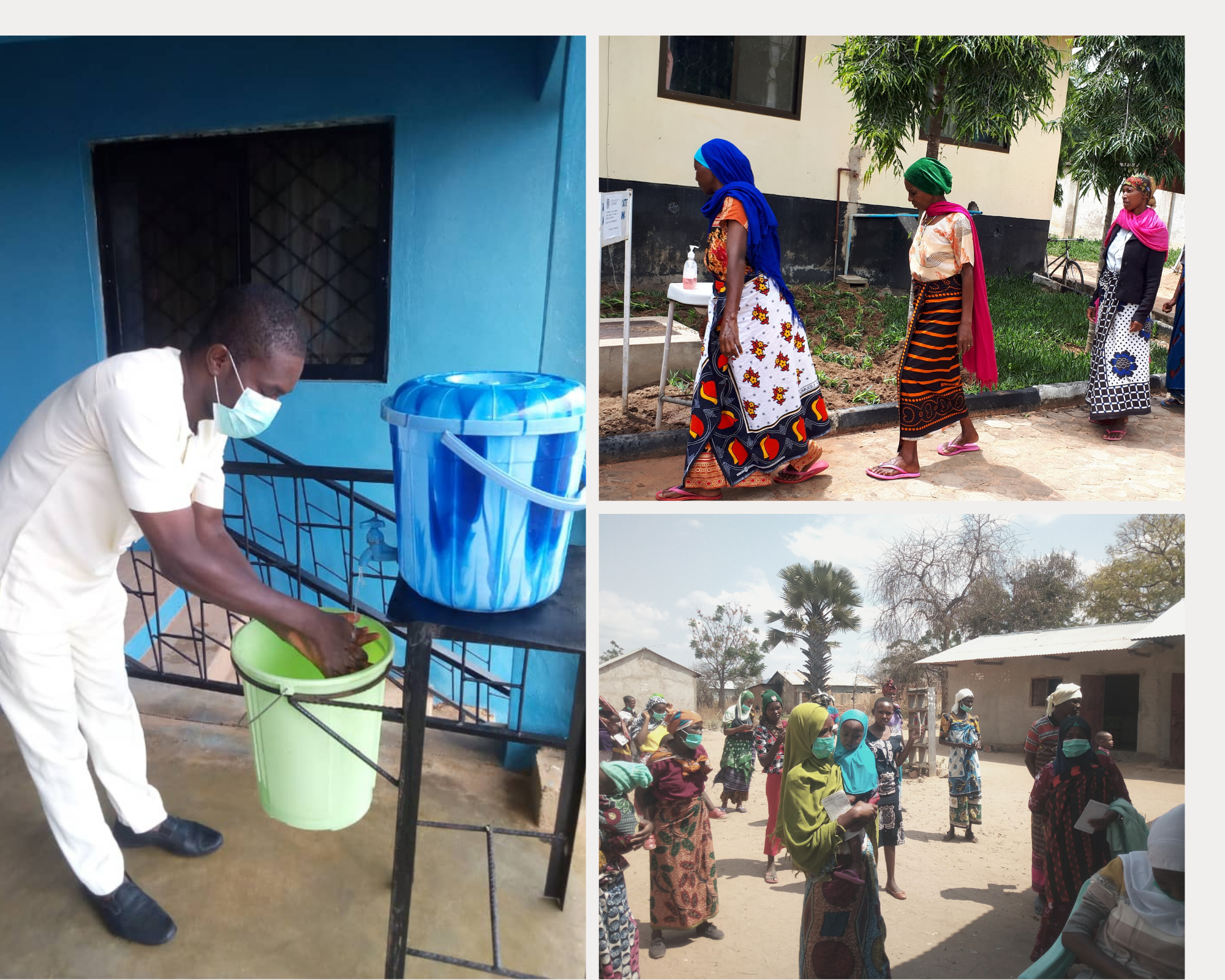
In 2020, The MMMs once again demonstrated their leadership, when responding to the COVID-19 crisis. In each country where they work, they quickly emerged as one of the first faith-based organisations to respond to the fast-evolving emergency of COVID-19.
Alongside the provision of medical care, protection of medical staff and patients through Personal Protective Equipment (PPE) and facility sanitation (medical interventions that the MMMs are experienced to deliver in a swift, high -quality manner), the MMMs also provided food, psychosocial supports, distributed WASH materials, trained Village Health Workers and provided opportunities to families who had lost their incomes.
Safeguarding also took on heightened importance, as abuses and gender-based violence increased significantly during COVID-19, requiring an increase in MMM response as the situation developed.
Throughout the COVID-19 pandemic of the past year, the MMMs have gone far beyond their healthcare mandate, as their communities grappled with this novel virus. They looked at the root and real needs of the communities in response to COVID-19 and acted swiftly in response. The MMM teams also advocated for an increase in the number of handwashing points throughout the informal settlements in which they work, where overcrowding and poor sanitation is a major concern for COVID-19 transmission. They also worked to deliver reputable health messaging in an effort to dispel myths and dangerous messaging generating during the pandemic. The MMMs response has had a wide-reaching impact, ensuring those most vulnerable and remote, those often not served by others, were reached and received intervention.