Misean Cara Member Organisation: Edmund Rice Development
Project: Enhancing Mangrove Biodiversity & Disaster Resilience in the Sama-Bajau Community
Location: Philippines
Enhancing Mangrove Biodiversity and Disaster Resilience in the Sama-Bajau Community
Restoring Ecosystems, Strengthening Communities
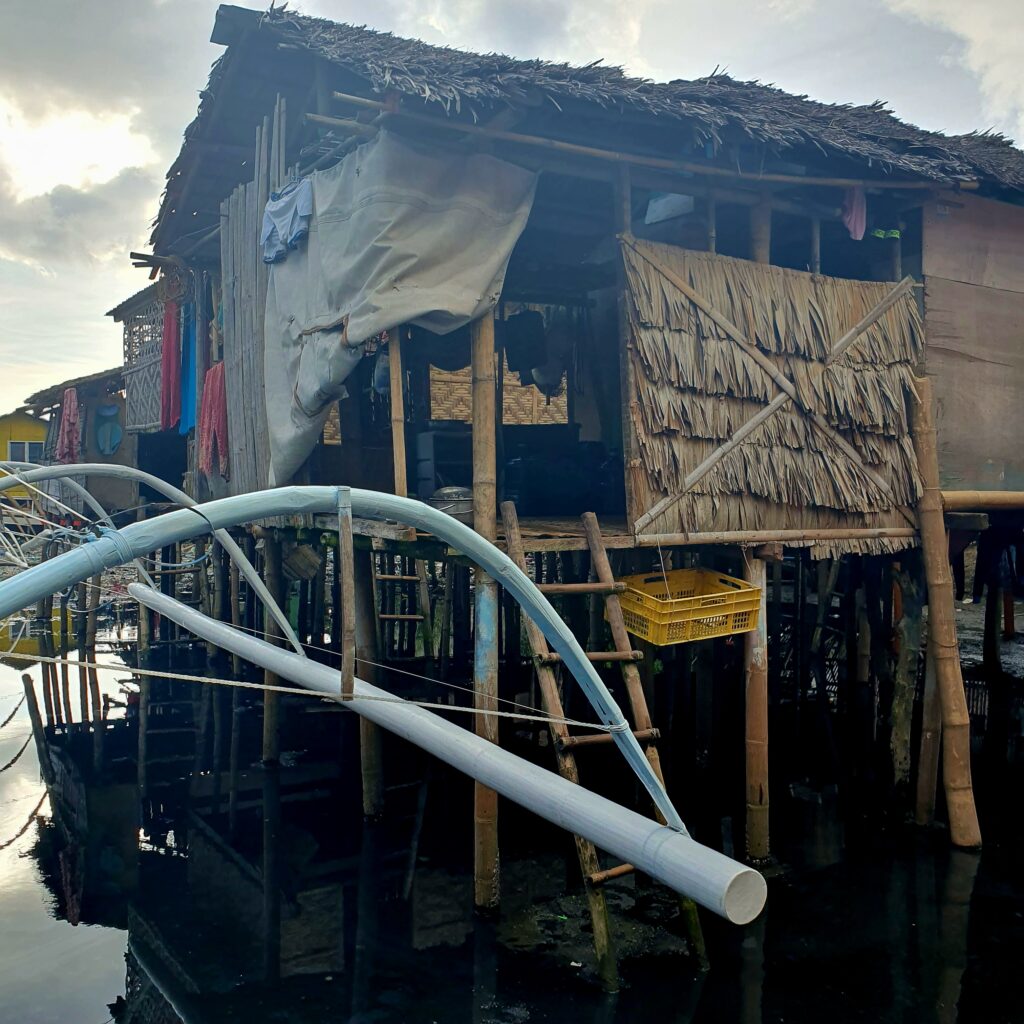
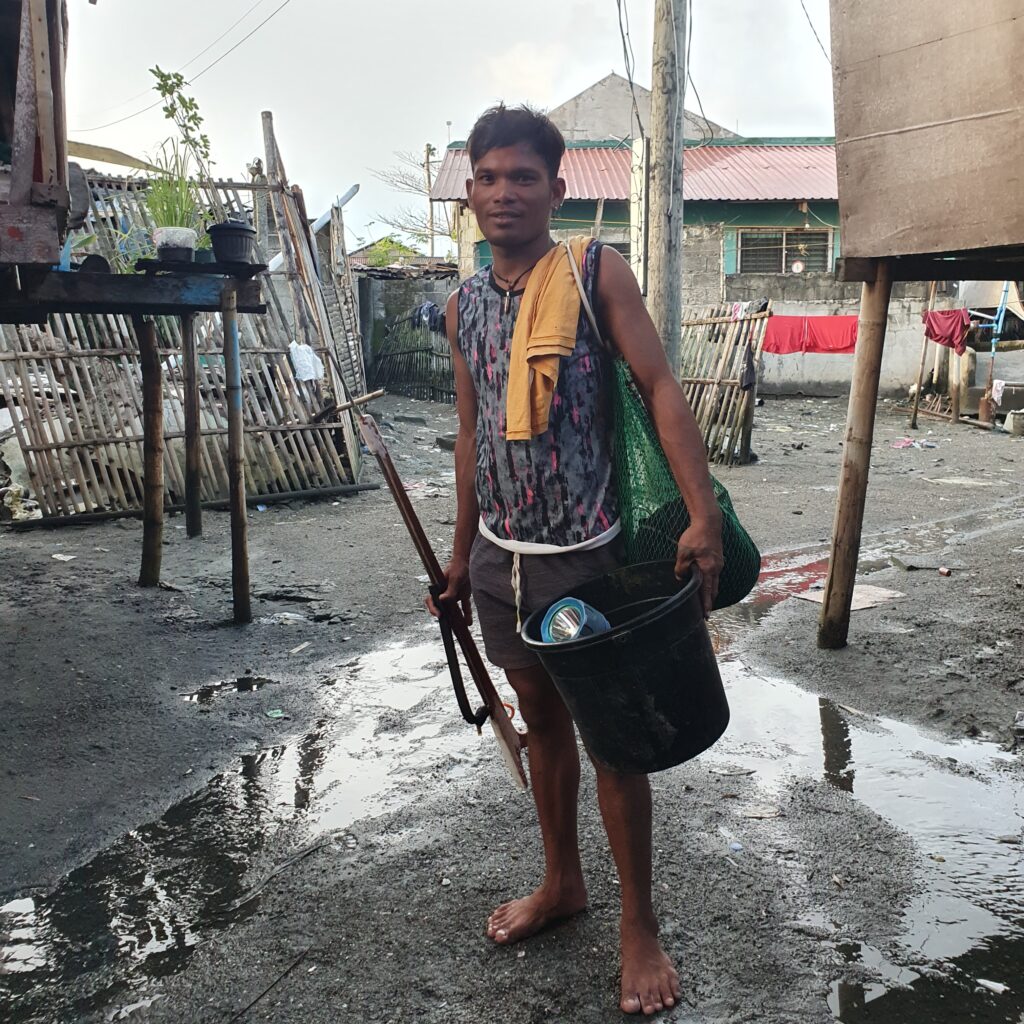
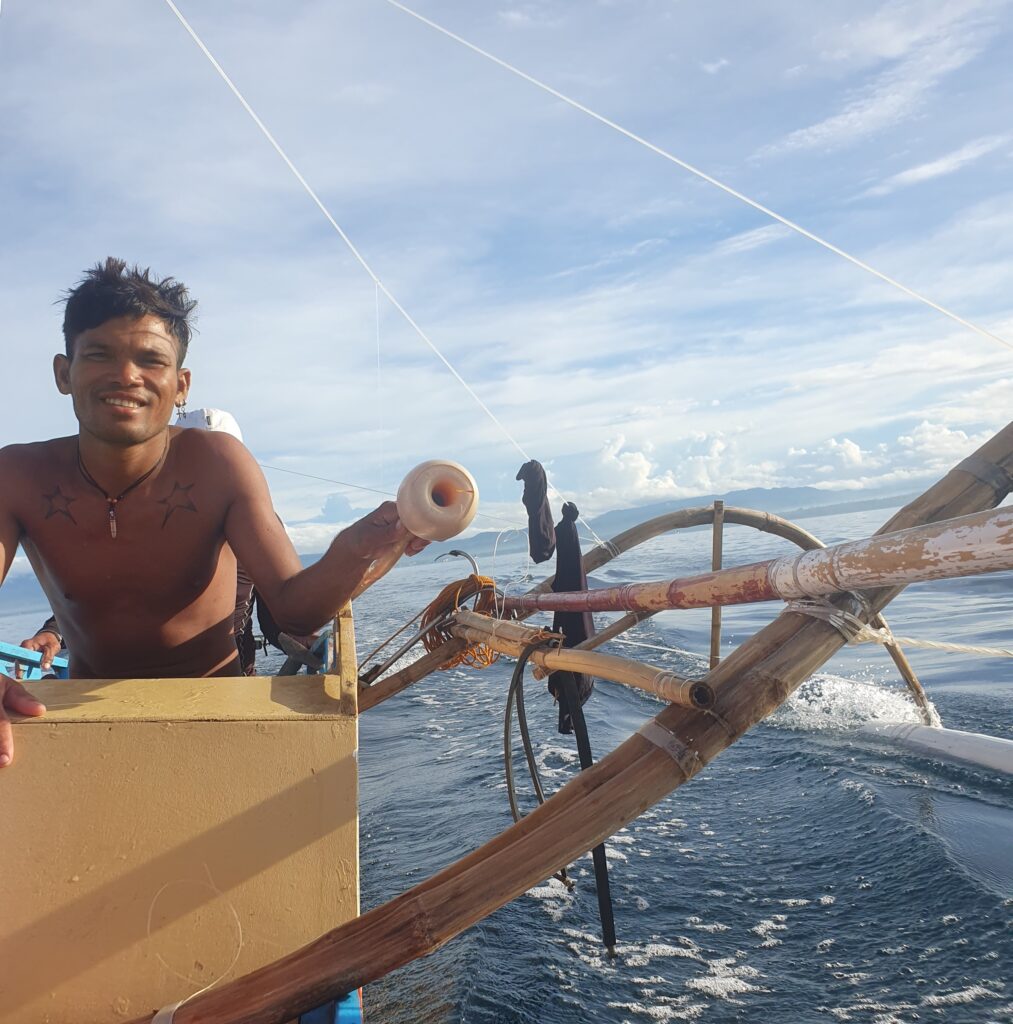
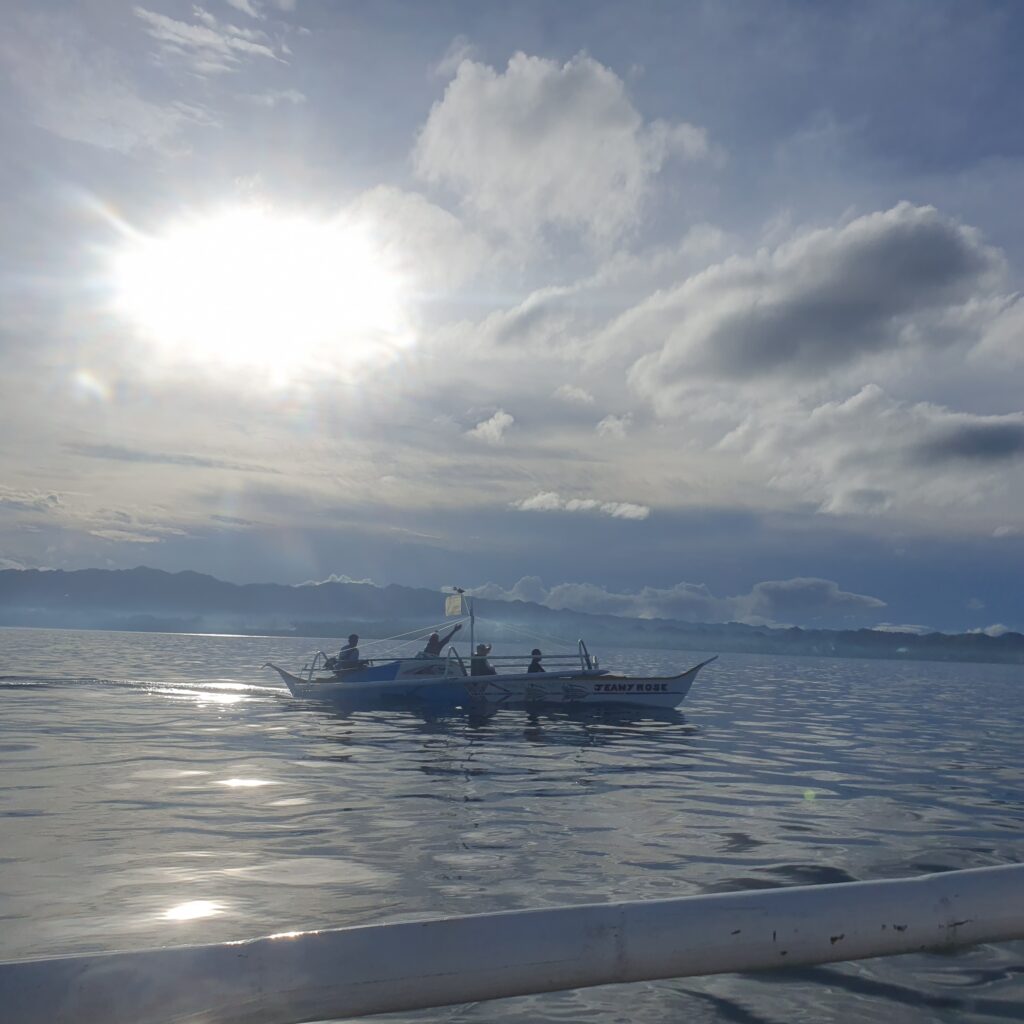
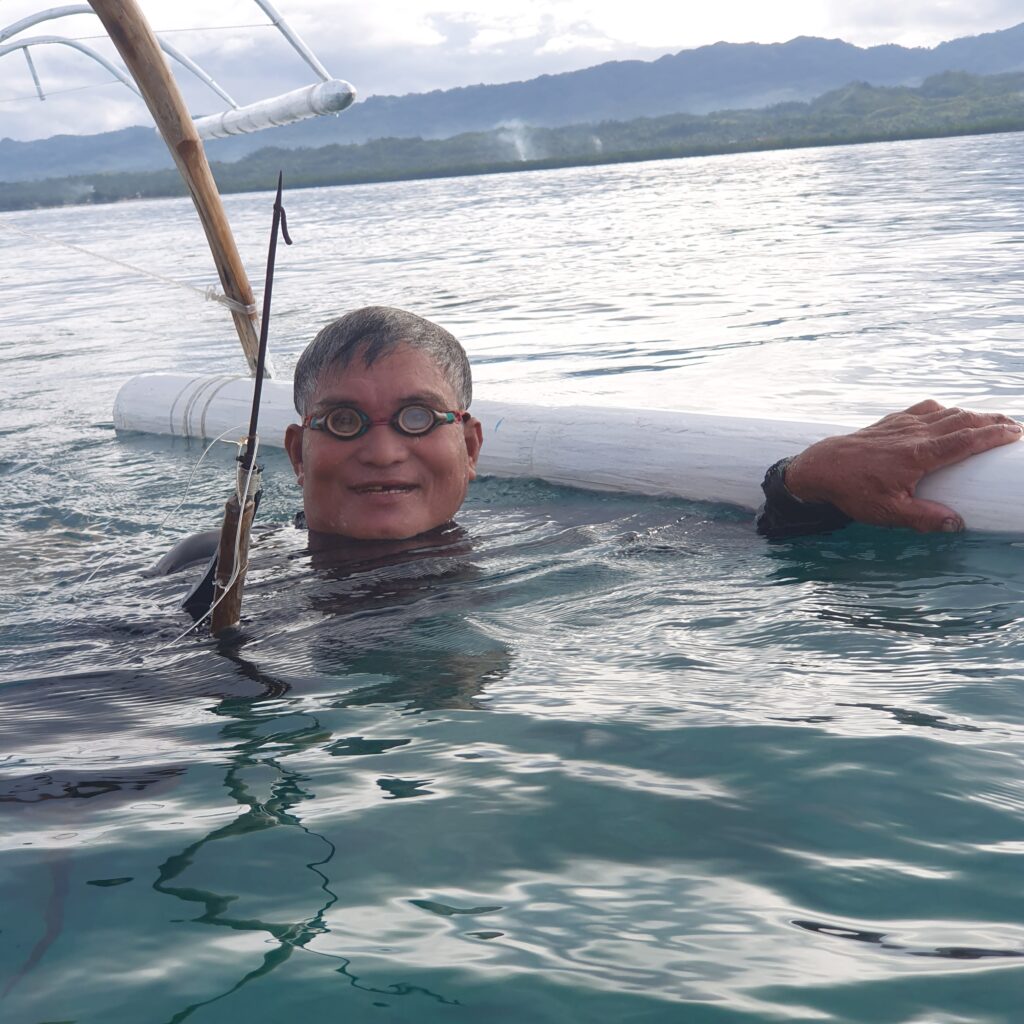
In the coastal municipality of Bato, the Sama-Bajau, an Indigenous group often living in stilt houses over the sea, face increasing threats from typhoons, erosion, and rising seas. Partnering with Edmund Rice Ministries Foundation Philippines Inc. (ERMFPI), local authorities, and community members, this project is leading an inspiring, community-driven effort to restore degraded mangrove ecosystems while creating climate-resilient livelihoods for residents.
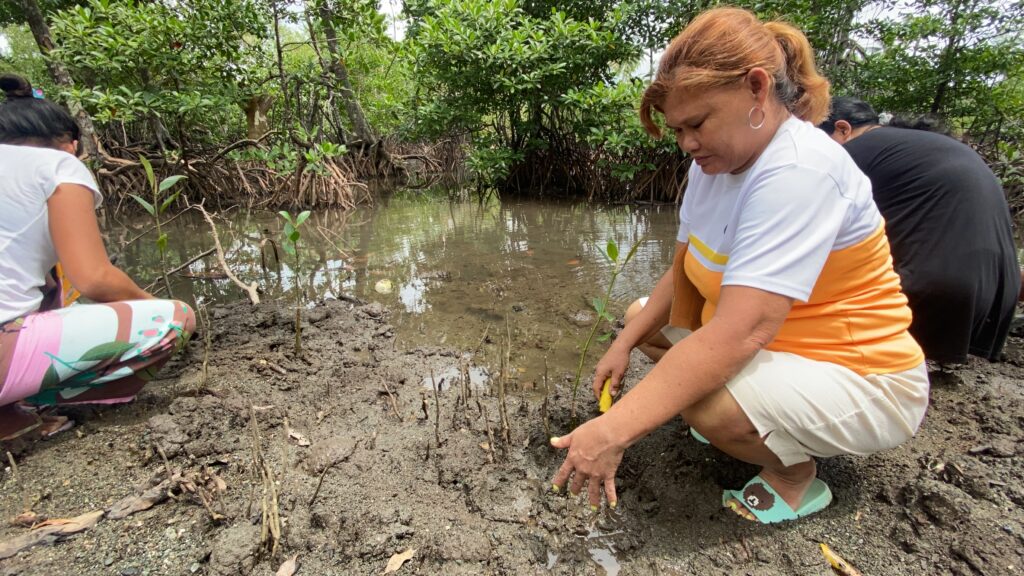
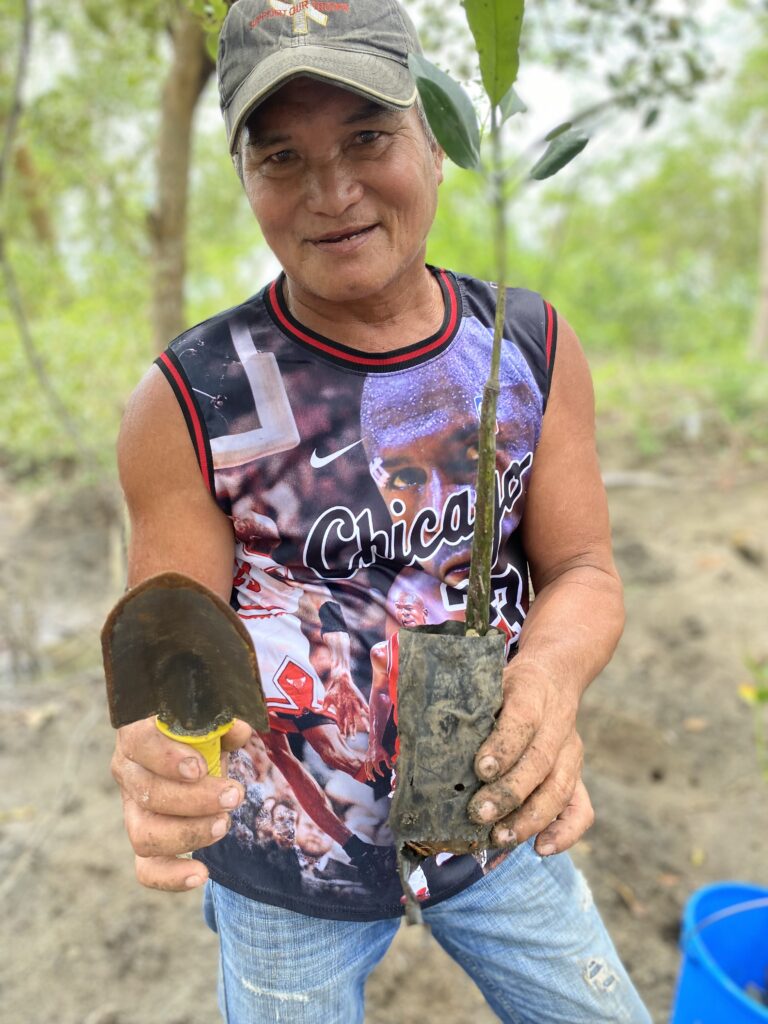
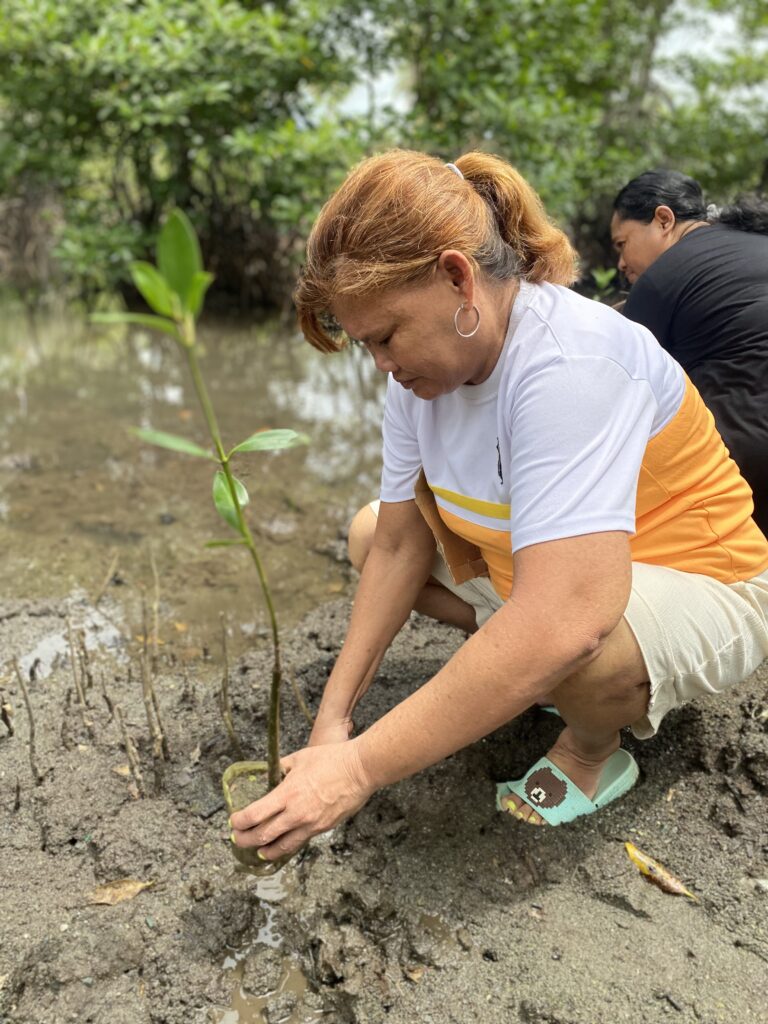
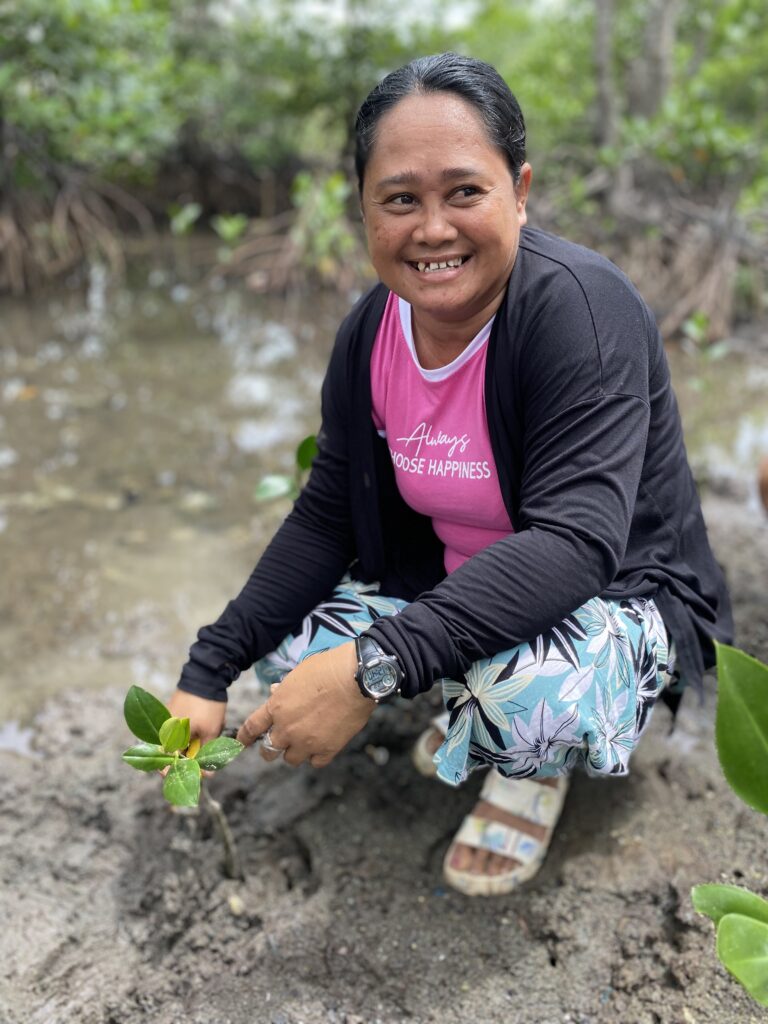
More than 6,800 mangrove seedlings have been propagated and planted across 15 hectares of coastline. These thriving mangroves now protect communities from flooding and storm surges while nurturing marine biodiversity.
Empowering Local Leadership and Policy Change
At the heart of the project is a community-led mangrove nursery, supported by a Barangay ordinance designating the site as a protected area. Building on this success, a Municipal Mangrove Protection Ordinance was later adopted—embedding conservation within local governance and aligning it with national climate adaptation policies.
The project ensures that the Sama-Bajau community are not passive recipients but active leaders. Over 100 members, 80% women, were trained in mangrove propagation and nursery management, forming the Bantay Bakhaw (Mangrove Guardians). This volunteer group now monitors reforested areas and leads environmental awareness campaigns across neighbouring barangays.
Equally important was the integration of indigenous knowledge into all aspects of the initiative. The Sama-Bajau’s traditional ecological practices, rooted in their deep connection with the sea and coastal ecosystems, were integrated into nursery operations and coastal rehabilitation efforts, creating a culturally grounded model of environmental stewardship.
“Before, mangroves were cut for firewood. Now we plant and protect them because they protect us. The mangroves are our shield against the storms and provide hope for our children.”
— Bahari, Sama-Bajau Chieftain
Collaboration and Long-Term Impact
Partnerships with the Department of Environment and Natural Resources, Department of Education, and local civic groups have expanded the project’s reach. One school now requires each graduating student to plant a mangrove seedling—turning conservation into a shared community tradition.
Environmentally, the restored mangroves now serve as carbon sinks and natural barriers. Economically, they provide sustainable livelihoods through nursery management, reducing dependence on overfishing. Culturally, they elevate the Sama-Bajau’s role as respected stewards of coastal ecosystems.
This initiative stands as a model of how local knowledge, inclusive participation, and policy advocacy can converge to create lasting resilience and dignity for Indigenous communities.